Are you struggling to manage your mental health? You’re not alone. Mental illness affects millions of people, often leaving them feeling overwhelmed and confused about how to best take care of themselves. But there is hope: Mindfulness – the practice of focusing on one’s present-moment experience – has proven to provide potential relief from stress and other symptoms associated with mental health issues. In this blog post, we’ll discuss what mindfulness looks like, why it can be beneficial for mental health, and specific tips for incorporating mindfully practices into your routine.
So, what exactly is mindfulness? It’s a state of being present in the moment, without judgment. This means paying attention to our thoughts and feelings as they arise, without getting caught up in them or trying to change them. When we practice mindfulness, we focus on our breath, our body, or our surroundings, and let go of distractions. This allows us to gain clarity and perspective on our experiences, and to respond to them in a more thoughtful and mindful way.
There are many potential benefits to practicing mindfulness, particularly when it comes to mental health. Research has shown that mindfulness can help reduce stress, improve mood, and increase self-awareness and self-compassion. It can also help us to be more present and engaged in our daily lives, rather than getting lost in worry or rumination.
So, how can you start incorporating mindfulness into your routine? Here are a few tips:
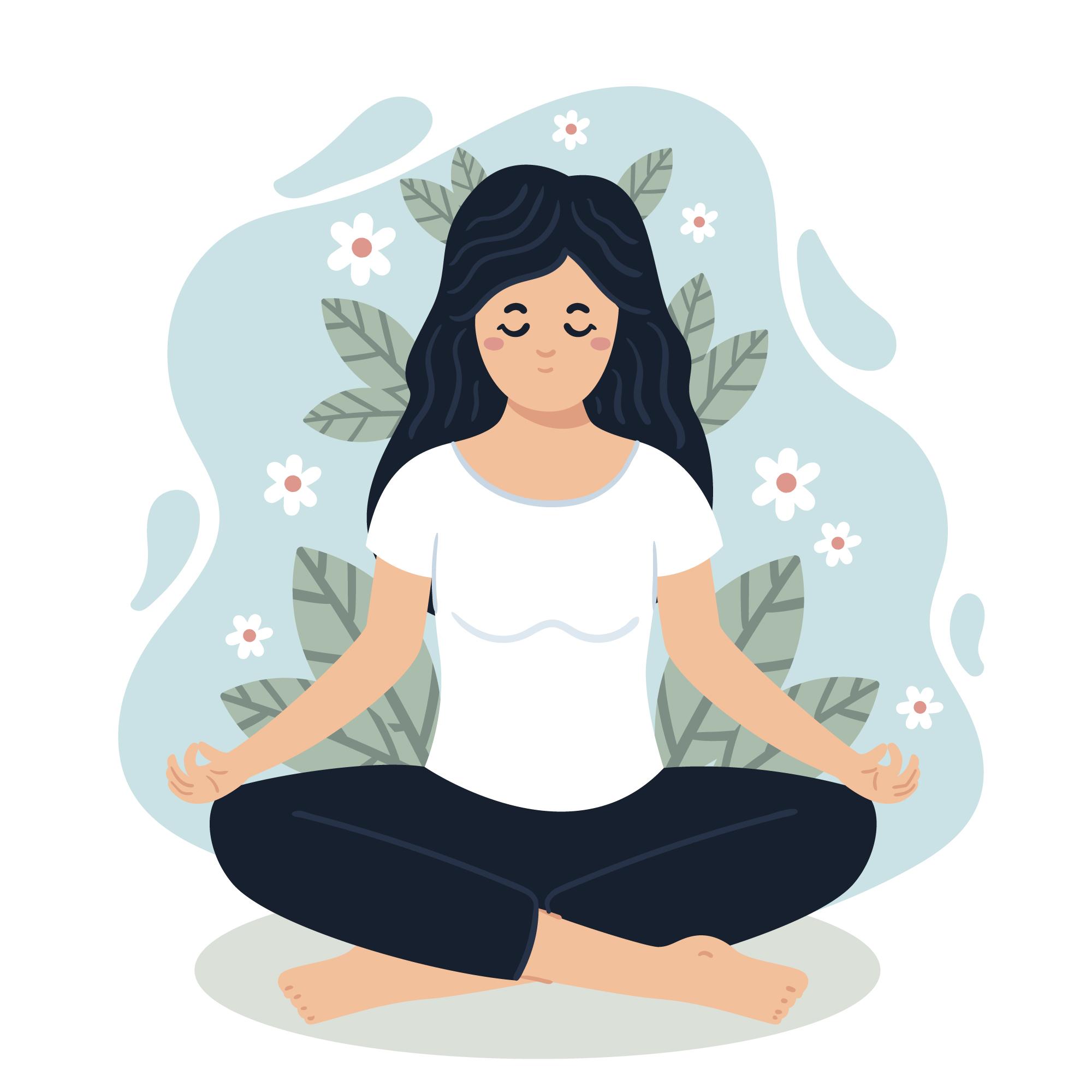
Take a few minutes each day to focus on your breath. Sit in a comfortable position, close your eyes, and pay attention to the sensation of your breath moving in and out of your body. If your mind wanders, gently redirect your attention back to your breath. By concentrating on your breathing, you can anchor yourself in the present moment, reducing anxiety and calming your nervous system. This simple practice can serve as a quick reset during stressful moments.
Practice mindful movement. Whether it’s yoga, tai chi, or a simple walk, pay attention to your body and the sensations it’s experiencing as you move. This intentional focus on your body helps you stay grounded and increases your awareness of how stress and tension manifest physically. Mindful movement not only enhances your mental well-being but can also boost physical health by promoting relaxation and improving coordination.
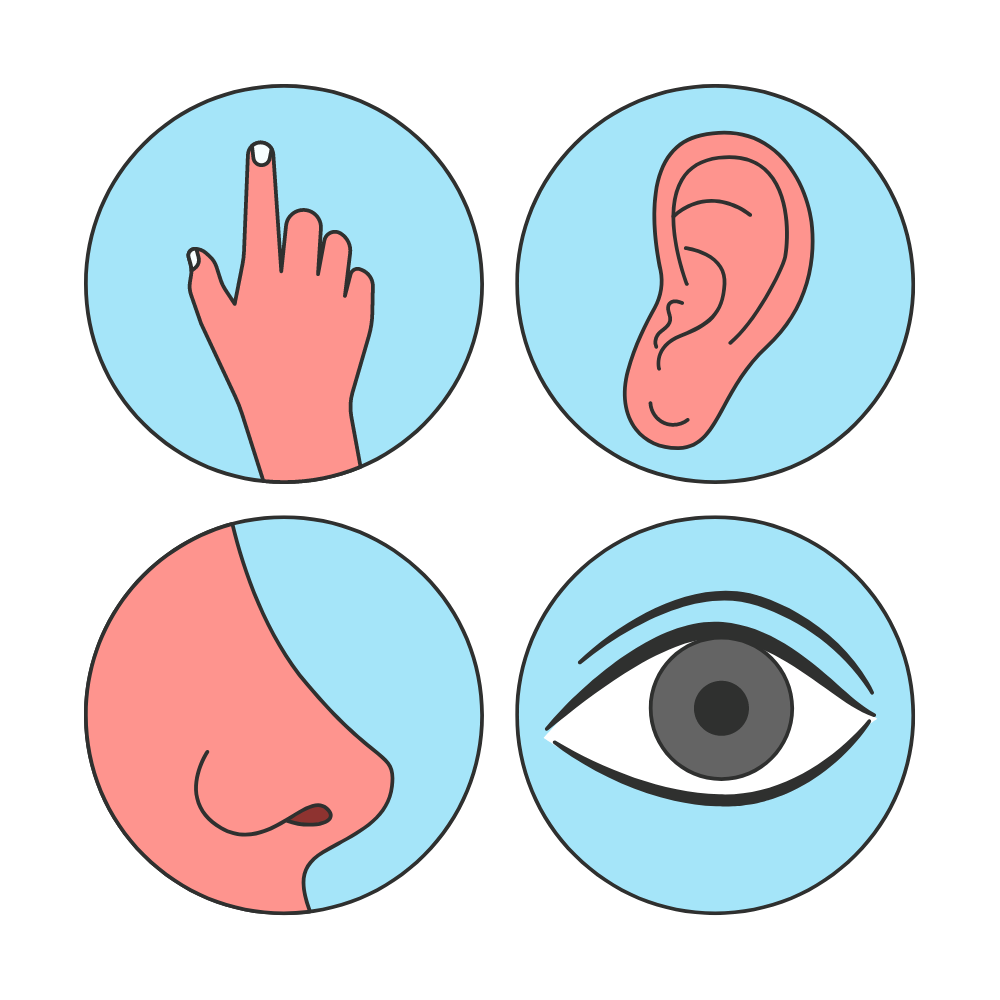
Engage your senses. Take a few minutes to focus on what you see, hear, smell, taste, and touch. This can help bring you into the present moment. Engaging your senses fully allows you to escape the chatter of your mind and experience the richness of your environment. Whether you’re savoring a meal or listening to the sounds of nature, focusing on sensory details can deepen your mindfulness practice.
Stop and smell the roses. When you’re interacting with others, try to be fully present and listen attentively, rather than multitasking or being distracted by your own thoughts. Active listening and undivided attention not only improve your relationships but also create a sense of connection and empathy. Being present in conversations can make others feel valued and enhance your own sense of fulfillment in social interactions.
By incorporating these mindfulness practices into your routine, you can start to experience the benefits of this powerful tool for managing your mental health. Remember to be patient with yourself and to seek support if you need it.